By Brian Dethrow, Marcus Brooks, Aaron Pinegar, Argy Saccopoulos, and Ashley Withers
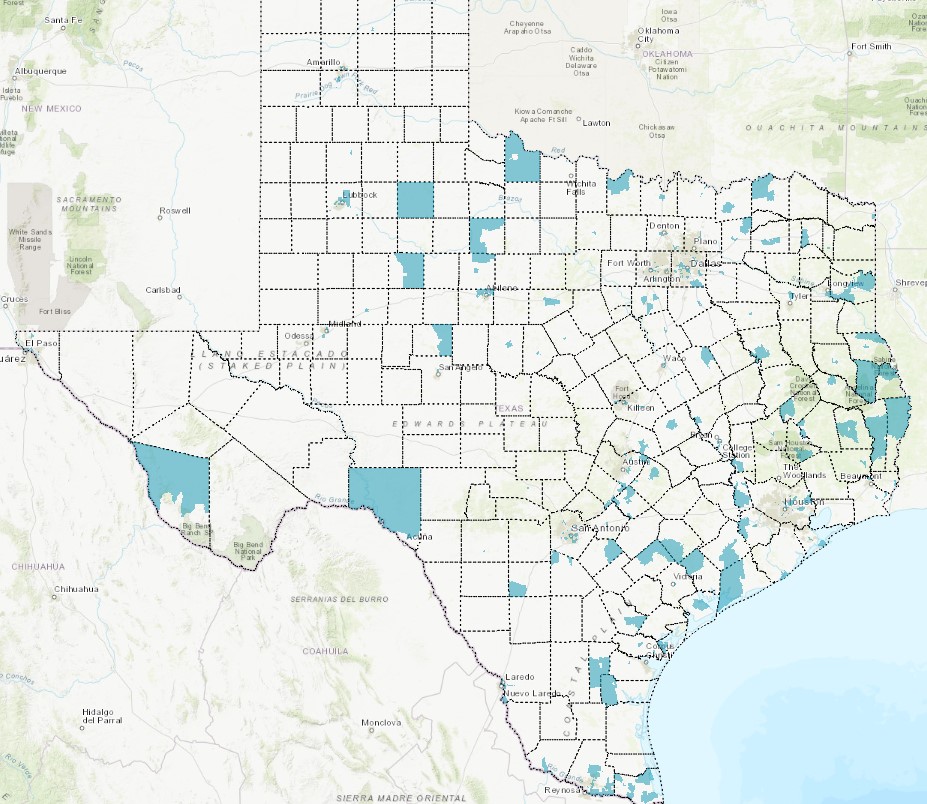
On September 4, 2026, Texas Governor Greg Abbott finalized nominations for Texas census tracts that are expected to be a part of the newly enacted Qualified Opportunity Zone (“QOZ”) 2.0 program. To see a map of the officially nominated tracts, please click here.
Real estate and energy investors and developers that are planning investments in eligible census tracts should review the final nominations to assess whether current or planned investments may fall within qualifying areas.
Background
The Qualified Opportunity Zone program was originally established in 2017 (“QOZ 1.0”). Since then, the QOZ program has been updated and made permanent through the One Big Beautiful Bill Act (“OBBBA”), passed last year. The expanded program, “QOZ 2.0,” will take effect January 1, 2027, following the sunset of QOZ 1.0 census tract designations at the end of 2026. The program offers incentives in the form of capital gains tax abatement for those who invest eligible capital into Qualified Opportunity Zone assets.
Key Changes Under “QOZ 2.0”
- Decennial Designations. State governors will be proposing QOZ designations for rolling 10-year periods. The first designation period runs from January 1, 2027, through December 31, 2036, and includes the tracts nominated by Governor Abbott on September 4, 2026.
- Tighter Eligibility Criteria. A tract must now have a median family income (“MFI”) of less than 70% of the state or metropolitan area MFI (reduced from 80%), or a poverty rate of 20% or more with MFI at or below 125% of the state/metro MFI. The Contiguous Tract Rule has been eliminated.
- New Deferral Rules. Under QOZ 2.0, gains are deferred on a rolling 5-year schedule (deferred until 5 years after investment, unless the investment is sold or exchanged earlier). This replaces the prior fixed deferral date of December 31, 2026.
- Basis Step-Up. A 10% basis step-up on the initial capital gain rollover remains available after 5 years. However, the additional 5% step-up previously available at year 7 has been eliminated.
- Tax-Free Exit. As in QOZ 1.0, for investments held 10 years or more, an investor’s basis equals fair market value at sale (meaning no gain is expected to be recognized). However, a new 30-year “freeze” provision fixes basis at FMV on the 30-year anniversary, meaning gains accruing after that point become taxable.
- Rural Enhancements. A new Qualified Rural Opportunity Fund (“QROF”) concept has been introduced for qualified opportunity funds (“QOFs”) holding 90% or more of assets in QOZ property in rural areas. QROF investors receive a 30% basis step-up after 5 years (compared to 10% for standard QOFs), and the substantial improvement threshold is reduced to 50% of adjusted basis (versus 100% standard). “Rural area” means any area other than a city or town with population exceeding 50,000 and any urbanized area contiguous or adjacent to such a city or town.
- Heightened Reporting. There will be enhanced reporting requirements for QOF and QOZ investments (and new penalties for noncompliance).
Why the Census Tract Nominations Matter
While not final until formally accepted by Treasury, the Governor’s nominations in practical effect identify which Texas areas are expected to be covered by QOZ 2.0. We encourage clients to consider the following steps:
- Review the map now to assess whether current or planned real estate investments fall within QOZ 2.0 tracts.
- Take advantage of the two-year overlap between QOZ 1.0 and 2.0. QOZ 1.0 designations remain active through December 31, 2028, providing transition planning opportunities for existing QOZ investments that (under current guidance) are meaningfully commenced before December 31, 2026.
- Evaluate rural opportunities. The new rural enhancements create significant incentives for investments in rural Texas communities, including the enhanced 30% basis step-up and reduced thresholds for what constitutes a “substantial improvement” in rural areas.
- Consider deferring investment for renominated tracts. If an investment was planned in a QOZ 1.0 tract that was renominated under QOZ 2.0, there could be material advantages to deferring investment (in whole or in part) until January 1, 2027, to capture any enhanced benefits of QOZ 2.0.
The opinions expressed are those of the authors and do not necessarily reflect the views of the firm, its clients, or any of its or their respective affiliates. This article is for informational purposes only and does not constitute legal advice. For more information, please contact a member of the Tax practice.
About Jackson Walker
Since 1887, Jackson Walker has represented some of the most influential companies and business leaders in the world. Today, we remain firmly rooted in Texas while serving clients around the globe. With more than 500 attorneys, we are the largest Texas-based law firm in the state. Jackson Walker consistently ranks among leading firms in Chambers and Partners, Best Law Firms® by Best Lawyers, and as a BTI Client Service A-Team honoree based on feedback from corporate counsel. To explore the Firm’s experience with transactional tax, tax planning, mergers and acquisitions, visit our Tax practice area page.